The Spirits industry is currently undergoing major changes. There is no longer a time when you could only drink alcohol as an option for people looking to enjoy the luscious flavors and aromas of exquisitely produced drinks. Today, in a health-conscious and conscious society, the demand for alcohol-free alternatives continues to grow. This shift is causing numerous opportunities in the European Union (EU) and United Kingdom (UK) alcohol-free spirit market.
The Boom in Alcohol-Free Spirits
The Rise of Non-Alcoholic Alternatives
The heightened interest in alcohol-free spirits can be attributed to a greater awareness of the negative effect of drinking alcohol has on health and well-being. Increasingly, individuals are adopting a cautious approach to their drinking habits, choosing the quality of their drinks over the quantity. This is why the spirits market without alcohol is experiencing phenomenal growth.
Recently, consumers have shown a distinct desire for alternatives that permit them to indulge in the awe-inspiring flavors and sensory experiences traditionally associated with spirits but without the intoxicating effects that come with alcohol. For instance, whether it’s the juniper notes of gin, or the smoky undertones of whiskey, these alcohol-free products are designed to mimic the taste and aroma of their alcoholic counterparts.
Data show this shift. The market for alcohol-free spirits has shot up, and several brands are emerging to meet the demand. In addition, established distilleries have joined the movement, lending their expertise to produce premium spirit without alcohol that can be enjoyed by taste-buds with discerning preferences.
Lifestyle Shifts and Health Lifestyle Shift
While the growth of alcohol-free spirit is in part driven through the desire for delicious alternatives, a healthy lifestyle has been the dominant factor. Many people are turning to alcohol-free alternatives in order to lead the health of their lives, reduce hangovers, and reduce the amount of alcohol consumed.
The trend towards healthier lifestyles extends into the wider health and wellness movement, in which consumers are more focused on self-care and mindfulness. In this context, choosing alcohol-free spirits allows people to play with the art of mixing and creating cocktails but without compromising their health.
As the market continues to grow new opportunities are abounding for businesses that are able to connect with this healthy consumer segment. The urgency of securing the opportunities is never more apparent.
Learning about how to navigate the EU as well as the UK Market
Market Overview
Before diving into the specific opportunities in market opportunities in the EU and UK alcohol-free spirits market, it’s crucial to grasp the current trends. Both regions have seen significant expansion in the consumption alcohol-free spirits.
In the EU the EU, countries such as Germany, France, and Spain have emerged as significant marketplaces for non-alcoholic alternatives. These countries, well-known as having rich culinary traditions and their love of fine drinks are embracing alcohol-free spirits with enthusiasm. Many brands responded with providing many alcohol-free options that can be enjoyed by the needs of these markets.
The UK, with its vibrant drink culture and high desire for wellness is another hotspot of alcohol-free spirits. London, in particular, is seeing the growth of dedicated establishments and bars that are indicating an increasing demand for sophisticated alcohol-free beverages.
Regulation Landscape
The process of navigating the EU and UK market for alcohol-free spirits requires a comprehensive understanding of regulatory conditions. Regulations for the production branding, distribution, and sale of alcohol-free spirits can vary across regions and countries.
In the EU In the EU, the production and distribution of alcohol-free spirits often falls under the same regulations as alcohol-based beverages. This means that you must follow the strictest quality guidelines and requirements for labeling. Businesses must adhere to EU regulations in order to gain access to this market.
In the UK, the regulatory landscape is dependent on both EU regulations and legislation in the country. The use of clear and precise labeling is vital to provide consumers with information about what alcohol is in the products.
The understanding of these regulations is essential for any business looking to prosper within the EU and UK alcohol-free spirit markets. In addition, compliance with the law ensures legality, but also helps build trust with the consumer.
In our exploration of the growth and dynamics of the alcohol-free spirit market and established an knowledge of what’s happening in the EU and UK market. It’s time to consider the distinct opportunities that await in these regions. In the next section in this article, we’ll discover the emerging segments of the market that drive consumer demand and innovative products that are changing the market scene.
Keep an eye on the time and maximise your potential to profit from this exciting market.
Realize Greater Profits: Buy Alcohol-Free Spirits in Bulk Direct from Swedish Distillers!
niche Markets and emerging trends within the EU and UK Alcohol-Free Spirit Industry
Through our study of what’s happening in the EU and UK market for alcohol-free spirits we’ve already decoded the broad expansion of this sector inspired by health-conscious shoppers and mindful drinking. It’s now time to dive deeper into this exciting market to understand the specialized segments and new patterns that are reshaping the market.
The Craft Movement for Alcohol-Free Spirits
Artisanal excellence without alcohol
An exciting development within the market for alcohol-free spirits is the growth of craft producers who are dedicated to bringing out the best alcohol-free alternatives. They are bringing the same quality and commitment for alcohol-free spirits as traditional distillers would to their alcoholic counterparts.
Spirits that are made without alcohol can be characterized by their complex and refined flavor profiles. They often incorporate botanicals, spices, and herbs, which are meticulously distilled. They aren’t just substitutes but unique creations by themselves that appeal to those seeking a refined intoxication that isn’t alcohol.
Craft Distilleries along with Experimental Offerings
Craft distilleries across the EU and UK are leading this trend, testing cutting-edge ingredients and distillation techniques. No matter if it’s a substitute for gin made with exotic botanicals or a whiskey-inspired drink with smokey undertones, these drinks are expanding the boundaries of alcohol-free spirits.
Consumers are increasingly drawn to handmade products since they exemplify authenticity in their transparency, authenticity, and strong desire for excellence. When they support these artisans people feel connected to the art and are willing to explore distinct flavor profiles which commercial brands might not offer.
Targeting Niche Consumer Segments
The Rise of Zero-Proof Cocktails
As the popularity of alcohol-free spirits rises is the demand in zero-proof cocktails or “mocktails.” This trend is a particular hit in bars, restaurants and even home mixologists. Mixing up creative and alcohol-free drinks has evolved into an art, which is why the desire for top-quality alcohol-free spirits to anchor the drinks is on the rise.
Zero-proof drinks are not only suitable for non-drinkers and designated drivers and are accessible to anyone seeking a refreshing and elegant drink without the negative consequences of alcohol. The EU and UK the rising popularity of non-proofed cocktails have led to collaborations between bartenders with alcohol-free spirit brands to develop unique recipes and improve the overall drinking experience.
For the Health-conscious Generation
The segment of the consumer who is health conscious is the primary driver behind the popularity of alcohol-free drinks. They are a group that values mindfulness and wellbeing, and is looking for products that conform to their beliefs and lifestyles.
Companies that are able to highlight the advantages of drinking alcohol-free spirit, for example lower calorie content, and the absence of any alcohol-related health risks could be able to draw their target audience’s attention. In addition collaborations with health and wellness experts and professionals can enhance their credibility as a brand.
Environment and Sustainable Focus
Sustainable Production and Packaging
Environmental consciousness is a crucial factor influencing consumer choices in this EU and UK. Brands in the alcohol free spirit sector are responding by implementing green practices in manufacture and packing.
Craft distilleries are in particular they are promoting sustainability. They buy locally whenever possible while reducing water usage and employ environmentally friendly distillation methods. Innovations in packaging, such as biodegradable, recyclable and biodegradable packaging materials are also gaining momentum.
Stay Ahead of the Curve
As we move through and through EU and UK alcohol-free spirit markets, it is evident that niche markets and emerging trends are driving the transformation of this market. From craft distillers redefining non-alcoholic spirits to the rise of zero-proof cocktails, and an increased focus on sustainability, there’s plenty of opportunity for companies willing to be innovative and meet the demands of consumers.
In the following part we’ll discuss the significance of marketing and branding strategies that appeal to the target customers, and expose the major challenges and solutions in this rapidly expanding market.
Watch this space as we discover how you can position your alcohol-free spirit brand for success in the EU in addition to the UK.
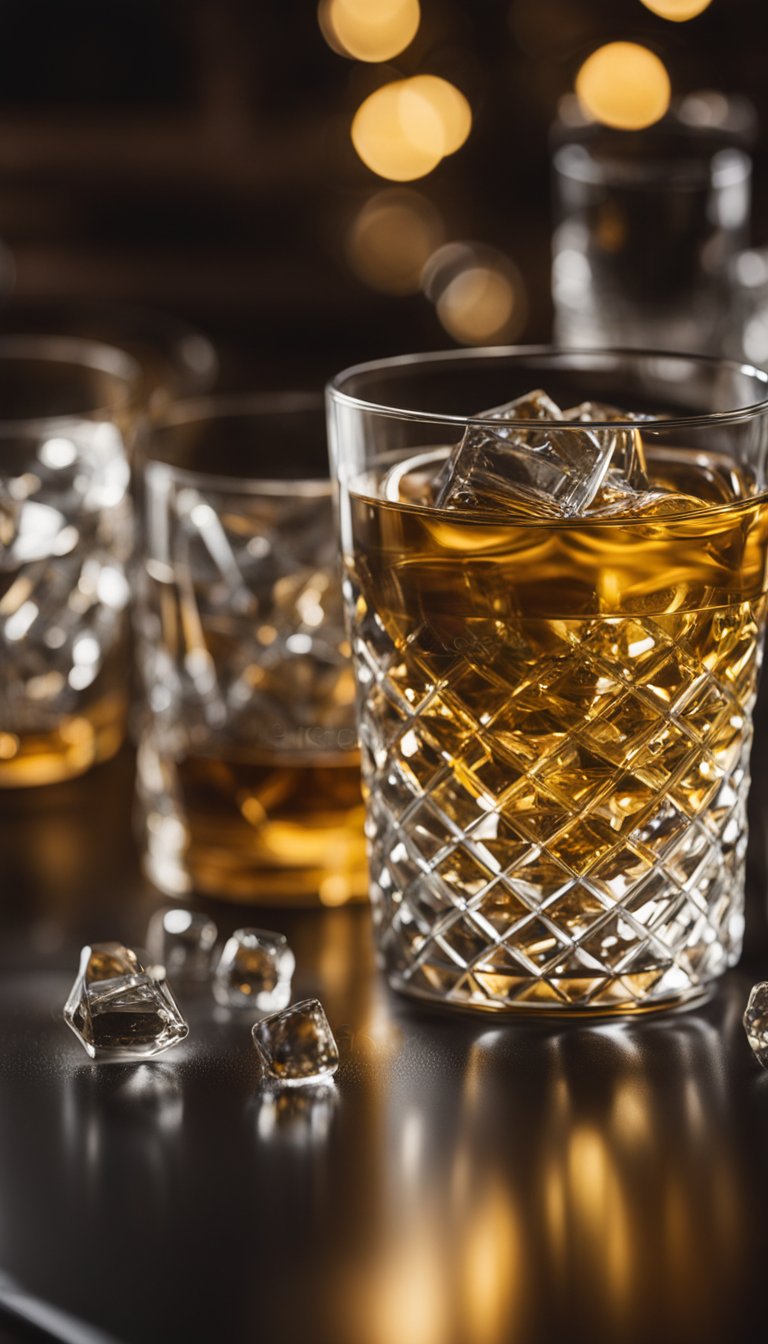
Marketing and branding strategies in the EU and UK Spirits with no alcohol
Our research into in the EU and UK market for alcohol-free spirits, we’ve seen the increasing demand for these innovative drinks, the rise to craft alcohol-free spirit, and the specialized consumer segments driving this sector’s growth. It’s now time to delve into the critical realm of marketing and branding strategies that will set your alcohol-free brand apart in a crowded marketplace.
The Building of a Strong Brand Identity
Craftsmanship and Authenticity
In the age of alcohol-free spirits, creating an effective brand image is paramount. Consumers will gravitate to brands that exhibit craftsmanship genuineness, authenticity, and genuine commitment to quality. To establish your brand as a market leader you should consider these strategies:
- Share Your Story Tell the history behind your brand by highlighting the passion and commitment that go into the creation of alcohol-free spirits.
- Transparency You must be transparent with your production processes, ingredients and source. Trust is built when you are authentic.
- Visual Identity The goal is to invest in an appealing and visually appealing logo as well as packaging design that communicates the values of your company and its uniqueness.
Invoking Emotion
Alcohol-free spirits are usually associated with positive emotions like enjoyment, joy, and mindfulness. Make use of these emotions to engage your audience on a more profound levels:
- Interactive Storytelling Tell stories and marketing messages that resonate with the emotional aspect of drinking spirits without alcohol. It is a great way to celebrate moments of joy calm, and social bonding.
- Inclusive Messaging Highlight that your spirits that are alcohol-free are for everyone no matter if they prefer not to drink, are designated drivers, or simply looking for the healthier option.
Innovative Marketing Strategies
Digital Presence and Content Marketing
In today’s age of digitalization having a strong online presence is vital. It is essential to ensure your brand’s visibility and engaging on a variety of digital platforms:
- Website Optimization The goal is to create an attractive website that showcases your products, offers detailed information and blogs for content marketing.
- Social Media Engagement: Be sure to keep active and updated social media profiles to engage with your followers to share useful content and conduct targeted advertising campaigns.
- educational content: Create content to inform consumers about the advantages, flavor and versatility of alcohol-free spirits. This could include blog entries along with infographics, videos and other video content.
Partnerships and Collaborations
Collaborating with like-minded brands or influencers can help increase the reach of your brand and boost credibility
- Bartender Collaborations In collaboration with bartenders, you can work to develop zero-proof cocktail recipes with alcohol-free spirits. These collaborations can cause a buzz and attract mixologists and cocktail enthusiasts.
- Influencer Partnerships Look for influencers who are in the wellness lifestyle, lifestyle, and alcohol-free area who are aligned with the values of your brand. In collaboration with them, you can create authentic content and reach a broader audience.
Navigating Challenges and Looking Ahead
Although the market for alcohol-free spirits offers a wealth of opportunities but it also has plenty of problems. Certain consumers might still hold misperceptions regarding the taste and qualities of alcohol-free spirits. For these to be overcome, it takes patience, perseverance, and constant innovation.
In our next segment we’ll discuss some of the major challenges facing the industry and propose strategies for dealing with these issues. Also, we’ll examine what the future holds for the EU and UK spirits that are alcohol-free and look ahead to the trends that will influence the development of it.
Stay tuned for us to provide you with knowledge and strategies that will help you succeed in this dynamic and exciting market.
challenges and strategies in the EU and UK Alcohol-Free Spirit Market
While we’ve explored the landscape of alcohol-free spirit in the EU and UK we’ve reflected on the rising popularity of these intriguing drinks and delves into the essentials of branding and marketing strategies. It’s now time to tackle the issues that companies face in the current market and propose strategies to address them.
The Challenges of the Alcohol-Free Spirit Industry
Consumer Conceptions
One of the most significant challenges is the misinformation that consumers are forming about the quality and taste of alcohol-free spirits. Some consumers still perceive these spirits as bland or unappealing flavors. To counter this, you can consider the following suggestions:
- Taste Education Learn about the variety of tastes and complexities of spirits that are alcohol-free. You can host tasting events or virtual tastings to showcase the quality and complexity of your product.
- The Sampling Programme The program allows you to offer small bottles or packs, which allow the customers to test your alcohol-free spirits before they commit to buying a full bottle.
Regulatory Compliance
navigating the complicated regulatory landscape surrounding alcohol-free spirits can be challenging. Regulations on labeling, distribution and production differ by country. To ensure compliance,
- Consulting Legal Experts to seek legal counsel or experts in regulatory matters who are skilled in the area of alcohol and drink laws to ensure your business is compliant to all laws and regulations.
- Proper Labeling Labels that are transparent and comprehensible labels that accurately reflect the alcohol content and ingredients.
Competitiveness and Differences
With the growth of the market for alcohol-free spirits the competition is growing. To be noticed:
- Products Innovation: Continuously innovate by creating new flavours, packaging, or distinctive production methods.
- Differentiation: Highlight what sets your brand apart, whether it’s sustainable initiatives, distinctive ingredients or a compelling tale of your brand.
Strategies to Overcome Challenges
Consumer Education
A well-informed consumer is likely to drink alcohol-free beverages. Check out these tips for education:
- On-line Resources Create comprehensive online resources that provide information on the manufacturing process, the components, and potential health benefits of your product.
- customer support Offer excellent customer support for inquiries and concerns swiftly.
Sustainability Initiatives
The consumer is increasingly concerned about sustainability. Embrace eco-friendly practices:
- Eco-Packaging Use environmentally friendly packaging materials, and clearly explain your commitment to a sustainable future.
- Local Sourcing The idea is to source ingredients locally whenever you can, thereby reducing your carbon footprint.
Co-operation and Partnerships
Collaborations can boost your reach and increase your credibility. Consider:
- Retail Partnerships Join forces with retailers to show off your products prominently in store or on the internet.
- Industries Alliances: Join alliances and industry associations for information and to network with other brands of alcohol-free spirits.
What’s the Future for Alcohol-Free Spirit Market
As we address these challenges and implement strategies to overcome them, we must consider the future. In our next segment we’ll discuss possible futures for the EU and UK spirits market that are alcohol-free with a focus on emerging trends and opportunities that brands must keep an eye on.
Keep watching as we chart the exciting journey that lies ahead for this dynamic and evolving industry.
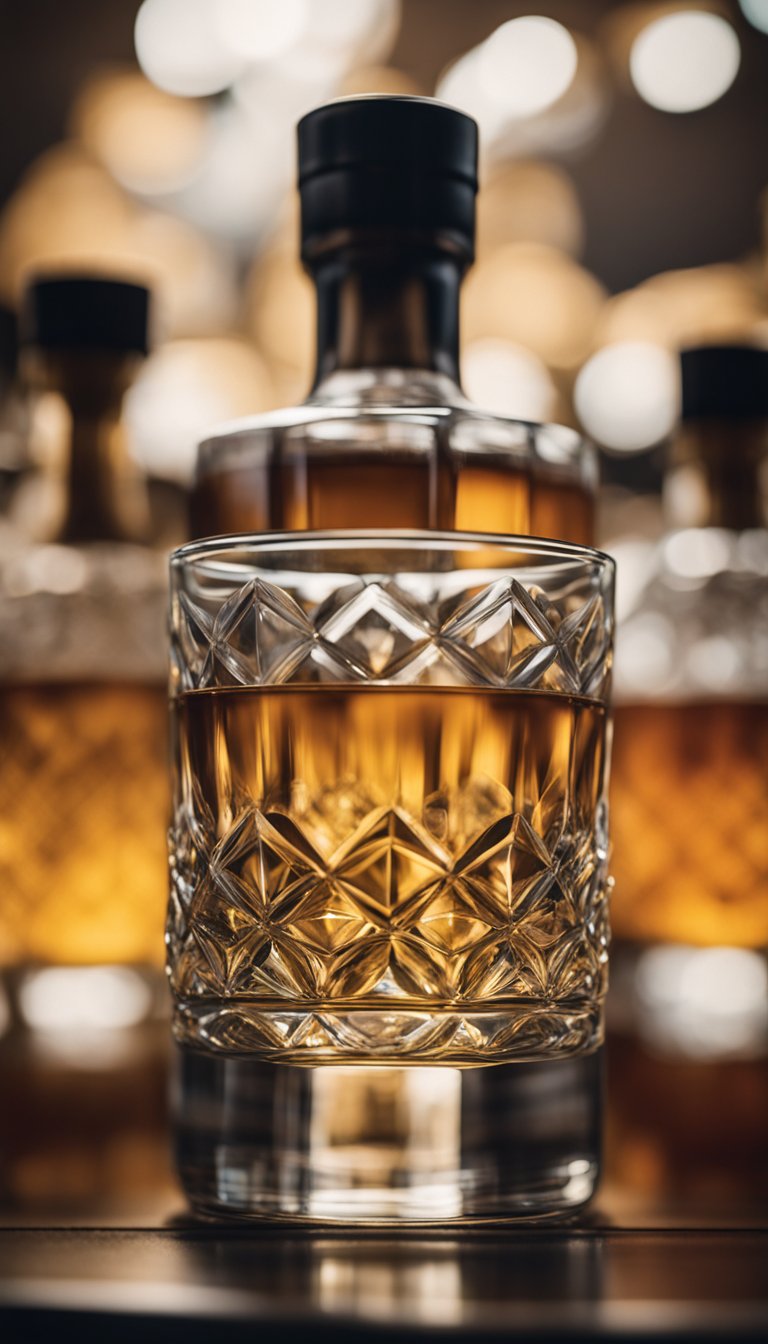
The Future of EU and the UK and the Alcohol-Free Spirit Market: Trends and Opportunities
As we close our investigation of the EU and UK alcohol-free spirit market, we look toward the future, where exciting trends and promising opportunities await companies in this exciting industry.
New Ideas in the Non-Alcohol Spirit Market
1. Diverse Flavor Profiles
In the coming years we are likely to see an increase in the variety of flavor profiles to enter the market. The tastes of consumers are becoming more adventurous, and brands are responding to this with unique botanical blends including exotic fruit infusions along with aromatic herbal blends.
2. Premiumization
As the trend towards premiumization altered the market for alcohol-based spirits We anticipate a similar shift to the alcohol-free sector. Brands will put their money into top-quality products and ingredients providing consumers with an exceptional experience.
3. Sustainability as an International Standard
Sustainability is no longer a distinct selling point and will be a norm. Companies that promote eco-friendly practices, from sourcing ingredients responsibly and using recyclable packaging will get an edge in the market.
4. Mocktail Culture
The trend of mocktails, or drinks that are alcohol free is expected to continue. These sophisticated and alcohol-free alternatives are gaining traction in bars and restaurants creating a massive possibility for alcohol-free spirit companies to collaborate with establishments.
Opportunity on the Horizon
1. International Expansion
With the EU and UK markets growing it is important for brands to think about expanding their operations internationally. Markets in Asia, Europe, Middle East, and North America provide great opportunities for alcohol-free spirits.
2. Health and Wellness Partnerships
Collaborations with health and wellness brands, influencers, and events can help alcohol free spirits brands reach out to health-conscious consumers seeking alternatives to alcoholic beverages.
3. E-Commerce Dominance
The development of e-commerce is providing an excellent opportunity to make direct-to customer sales. Brands should invest in user-friendly web sites, online marketing strategies, as well as e-commerce for a better grasp of this booming market.
The Conclusion as well as Recap
In this five-part series, we’ve journeyed through the EU as well as the UK Spirits that are alcohol-free to discover its rising popularity as well as branding and marketing strategies, as well as challenges and ways to conquer these challenges. We’ve also explored emerging trends and the opportunities for brands in this fast-paced industry.
The appeal of alcohol free spirits in Europe is undisputed. When consumers are looking for healthier, less harmful drinking alternatives as the market continues flourish. Brands that encourage innovation, quality also, sustainability and global expansion are the best to flourish in the years to follow.
Thank you for joining us on this enlightening adventure through the world alcohol-free spirits. We hope this guide has offered you some useful insights and ideas for navigating the constantly evolving market.
Leave a Reply