Section 1: The Present Landscape
In the world of drinks, a quiet revolution is being conducted, and it’s changing how we enjoy our drinks. The old tradition of alcohol-based drinks dominating social gatherings seeing a dramatic shift which is evident particularly in the European Union (EU) and the United Kingdom (UK). Alcohol-free or non-alcoholic spirits are carving out a niche in the market, and their expansion is quite remarkable.
A Booming Market
The market for alcohol-free spirits in the EU and the UK has experienced a massive growth. Gone are the days when people who were not drinkers or seeking healthier alternatives were restricted to sparkling water or sugary soft drinks. Today, a wide array of alcohol-free spirits adorns the shelves of supermarkets and bars, catering to a clientele who seeks sophistication, but not the drunkenness.
The Market and the Trends
To fully comprehend the extent the impact of this change, let’s look at some figures. Recent market research has revealed this: the EU as well as the UK alcohol-free spirit market is predicted to reach a valuation of [bold]a,!X billion [bold] after [bold]20XX[/bold]. This rise isn’t an anomaly; it’s a result of the evolving customer preferences.
Important Players, and their Contributions
The market’s ascent owes much to the trailblazing efforts of key players like [bold]Seedlip[/bold], [bold]Borrago[/bold], and [bold]Lyre’s[/bold], among others. These companies have taken the art of creating alcohol-free spirits to new levels making drinks that capture tradition-based spirits but without the alcohol content.
Consumption Preferences and New Brands
The rise of alcohol-free spirits is inextricably linked with changing consumer tastes. Today’s consumers are more health-conscious in their choices, are more discerning and socially conscious. They want drinks that are in line with their ideals, and alcohol-free spirits fit the bill perfectly. Consumers are also seeking out unique, delicious alternatives to traditional alcoholic beverages.
With the increase in demand for consumer goods and new brands have sprung up in order to meet the demands of this market. These brands are characterized by authenticity, ingenuity, and a constant commitment to quality.
Some intriguing possibilities
This rapid growth, which is driven by shifting consumer behaviors is a fascinating opportunity for companies looking to tap this EU and UK spirits market that are alcohol free. The potential is vast however, in order to use the potential effectively, one must first understand the drivers behind this remarkable transformation.
In the following part in the next section, we’ll analyze these driving forces, delving into the reasons behind the rise of alcohol-free spirits and what the implications are for businesses looking to navigate this exciting landscape.
In the first section We’ve laid the groundwork in presenting the current environment for the EU and UK the alcohol-free spirit market. We’ve also discussed the size of the market its key players, the market’s structure, and the shifting preferences of consumers. In Section 2, we will examine the driving factors behind this market’s remarkable growth.
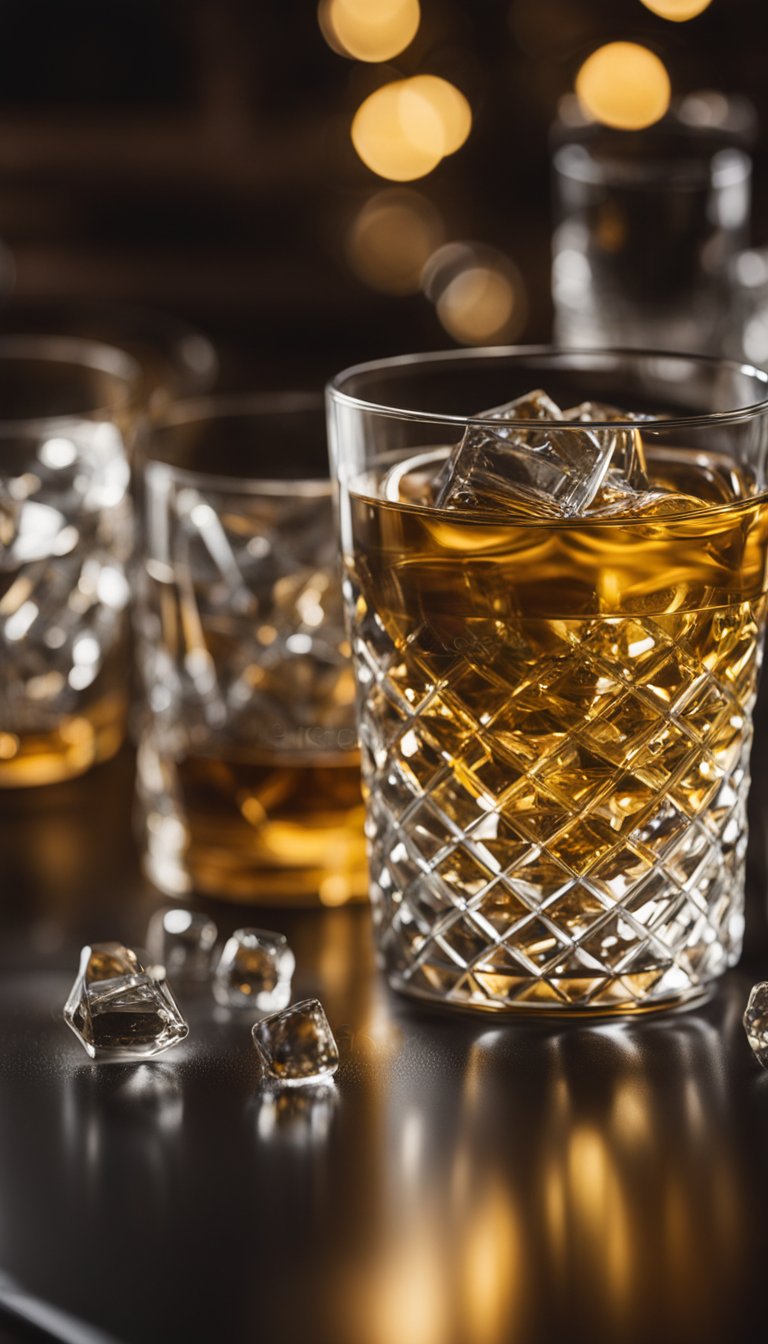
What is driving the explosive expansion of EU and UK Alcohol-Free Spirit Market?
Section 2: Uncovering the Forces Driving Forces
In our previous section we took a trip through the new world of alcohol-free spirits in Europe, the EU and the UK. The staggering growth of the market paints an enthralling picture of its potential, but what’s propelling this resurgence? In this section we’ll dig into the driving forces behind this rapidly growing market.
1. Health and Wellness Trends
StrongHealth-conscious consumers are redefining their drink choices. Bold Concerns about the harmful effects of alcohol’s effects on health have caused people to search for alternatives that allow them to enjoy a drink with no risk to their health. Alcohol-free spirits appeal to this new generation of consumers by providing the best quality and safety option. It is no surprise that terms like “low ABV” (alcohol by volume) and “zero-proof” are now buzzwords in health and fitness sphere, suggesting a significant shift in consumer preference.
2. Changes in Social Dynamics
As society evolves, so do our social dynamics. Traditional norms of heavy drinking as a major component of social events are becoming less common. The modern society is embracing greater diversity and more inclusive experiences. Alcohol-free spirit allows everyone to enjoy the celebrations without feeling left out. They foster a sense of acceptance that fits with the modern culture of socializing.
3. The Rise of Mixology and Craft Cocktails
ItalicCraft Cocktail culture has taken the world by storm. Italic The art of mixology has evolved beyond alcoholic beverages, with bartenders as well as people interested in the creative potential of spirits that are alcohol-free. Mixology that is complex and tasty are created, changing the definition of the concept of what a cocktail is. The wide range of these spirits allows mixologists to play with a broad range of flavors. This results in an explosion of new non-alcoholic drinks.
4. Regulatory Support
The government’s regulations and policies influence the way in which they are creating industries. In recent years the regulatory institutions in the EU and the UK have demonstrated a willingness to accept and encourage the growth of alcohol-free drinks. This support includes clearer standards for labeling that permit these products to be more transparent about their ingredients as well as the benefits. These measures help build trust with consumers.
5. Environmental and ethical issues
The quest for sustainability and ethical consumption is no longer a fringe trend but a global trend. Alcohol-free spirits typically align with these concerns. They are made with less environmental impact compared to traditional spirits and tend to be vegan-friendly. Fair practices in the sourcing of ingredients and fair trade practices improve their appeal.
6. Evolving Taste Preferences
Consumer palates have evolved, looking for unique and varied flavor experiences. Alcohol-free spirits are responding to this demand with a wide variety of choices. From botanical-infused alternatives to alcohol-free whiskeys that imitate the smoky flavors of the original liquor, these spirits have the sophisticated palate. People aren’t willing to compromise on flavor, and alcohol-free spirits are rising to the occasion.
7. Marketing and branding
Effective branding and marketing has played a crucial role in creating awareness for alcohol-free spirits. Brands that have succeeded in communicating their product’s quality tasting, flavor, and health advantages have flourished. Creative marketing campaigns and endorsements by influencers have reached large audiences, inspiring curiosity and boosting sales.
8. Accessibility
The ease of access to alcohol-free spirit has increased significantly. They are readily available at bars, restaurants, as well as retail stores. Online shopping platforms have also played a significant role in making these products accessible to consumers, regardless of their place of purchase.
9. Competitive Pricing
Since the demand has increased, competition has gotten more intense. The result is competitive pricing, which has made alcohol-free spirits an affordable option for wide range of buyers.
What’s Next?
As we’ve observed, a variety of things are driving the massive expansion of both the EU and UK alcohol-free spirit market. In the next segment we’ll look at the challenges and opportunities that businesses can expect to face when they traverse this burgeoning landscape.
In Section 2, we’ve revealed the main reasons behind the rise of alcohol-free spirits in the EU and the UK. Now, in Section 3, we’ll discuss the issues and opportunities that businesses that operate in this market are expected to encounter.
Experience Direct Buying: Premium Non-Alcoholic Spirits from Swedish Distillers!
Navigating the challenges and opportunities in the EU and UK Alcohol-Free Spirit Market
Section 3: Path Ahead
In previous chapters we’ve discussed the impressive development and the major drivers behind this EU and UK industry of alcohol-free drinks. It’s obvious that the market is growing But what’s in store? In this section we’ll take a look at the opportunities and challenges companies in this industry will likely to face.
Challenges
1. Legal Hurdles
While the support of regulatory agencies has been a key driver however, staying on top of the constantly evolving landscape of regulations is a major issue. Becoming compliant with the requirements for labeling and ensuring that the marketing is responsible of alcohol-free spirits is crucial. Businesses must remain vigilant about any regulatory updates.
2. Consumer Education
Many consumers are still not familiar about alcohol-free spirits. Educating potential customers about their benefits, flavours, and flexibility of these spirits is crucial. Brands should invest in marketing campaigns that promote the benefits of their offerings.
3. Competition
As the market continues to expand competitiveness increases. Brands need to differentiate themselves as well as continuously improve their products to remain relevant. This involves developing new flavors, enhancing packaging, and experimenting with unique distribution channels.
4. Scaling Production
Responding to the growing demands for spirits that are alcohol free may be a difficult task for small-scale producers. Growing production and ensuring high quality is necessary to keep pace with market growth.
5. Taste perception and Quality
Overcoming the perception that alcohol-free spirits aren’t as good as the flavor depth or quality comparable to alcohol-based drinks is a continuous task. Brands must invest in research and development to make products that match their alcohol counterparts in flavor and quality.
Opportunities
1. Diverse Flavor Profiles
The demand for different flavor profiles presents a large chance. Brands can look at various exotic and novel ingredients to produce unique and exciting alcohol-free spirits.
2. Health and Wellness Focus
The constant effort to stay in tune with wellness and health trends is a huge chance. Brands are able to capitalize on the health benefits of drinking alcohol-free beverages, such as reduced calories, and less hangovers, in their marketing strategies.
3. Mixology and Collaborations
Collaborations with bars, restaurants as well as mixologists can bring drinks that are alcohol free to a wider public. Brands can work with experts in the creation of exciting and delicious non-alcoholic cocktail recipes.
4. Sustainability
A commitment to sustainable and ethical methods of sourcing can be a significant selling point. Consumers are more and more attracted to products that reflect their values.
5. Direct-toConsumer Sales and e-commerce
With the growth of e-commerce, brands can expand their presence beyond the physical store. Building a strong online presence and allowing direct sales to consumers can be a game-changer.
What’s Next?
As we’ve witnessed, the road ahead for businesses who operate within the EU and UK alcohol-free spirit market is filled with some challenges, but also exciting opportunities. In the next section, we’ll explore strategies for you to flourish in this thriving market, ensuring that your brand keeps ahead of the curve.
For Section 3, we’ve looked at possibilities and threats facing companies in The EU and UK the alcohol-free spirits markets. Now, in Section 4 we’ll discuss strategies to succeed in the fast-growing industry.

Strategies for Success within the EU and UK Alcohol-Free Spirit Market
4. Moving through the Competitive Landscape
As the EU and UK Spirits that are alcohol-free continue to grow that is why it’s vital for businesses to understand the landscape effectively. In this article we’ll look at ways and methods for ensuring your brand’s reputation is built in this ever-changing and busy market.
1. Product Innovation
In a world flooded by possibilities, innovation is the best weapon you have. Always research and create new products and flavors to captivate consumers. Test out new ingredients and combinations that set your brand apart. Think about incorporating herbs, botanicals and exotic fruits to create unique or memorable spirit that is alcohol-free.
Pro Tips Conduct surveys for your consumers and gather feedback so that you can understand how they feel and what their needs are. Make use of this data to improve your product development efforts.
2. Brand Differentiation
Being different in a fierce business requires strong brand story and identity. Let your brand’s story be clear about what makes it distinct and the reasons why consumers should choose your alcohol-free spirits over other brands. Emphasize factors such as your commitment to quality, sustainability, and ethical sourcing.
Pro Tip Make a compelling brand story that resonates with the prospective customers. Tell stories about your brand’s journey, values, and the workmanship behind your products.
3. Collaborations and Partnerships
Collaborations may provide a unique outlook and expand your reach. Work with restaurants, bars and mixologists to develop special cocktails without alcohol that feature your products. These partnerships can introduce your brand to a wider audience and tap into the experience of professionals in the industry.
Professional Tip When working with partners ensure that your company’s values are aligned with those of your co-workers that create genuine and significant connections.
4. The Digital Marketing industry and E-commerce
A well-established online presence is a must in the current market. Build a user-friendly web site and enhance it to be a perfect fit for e-commerce. Leverage social media platforms to engage with your audience to share interesting cocktail recipes and also run targeted ad campaigns.
Pro Tips Utilize data analytics in order to comprehend your online audience better. Adjust your marketing and content strategies to reflect their preferences and needs.
5. Consumer Education
Informing consumers about the advantages and benefits in alcohol-free drinks is a key element. Write informative blogs, webinars, and on social channels. You can offer virtual tasting sessions to showcase your product. A well-informed consumer will be more likely to be able to appreciate how valuable your offerings.
Pro Tip Create FAQs and guides that address common consumer questions about spirits that are alcohol-free. Use them as a resource to help customers make informed decisions.
6. Sustainability and ethical practices
Consumers are increasingly conscious of the importance of ethical and sustainable practices. Incorporate these values into your business by sourcing ingredients ethically, reducing your carbon footprint, and supporting charitable efforts. Make sure to highlight your commitment to sustainability on your corporate identity.
Pro Tip: Share your sustainability work in a transparent fashion on your website and on social media. Transparency helps build trust with customers.
What’s in store
In the fourth section we’ve covered the most important strategies for navigating the competitive landscape of the EU and UK alcohol-free spirits market. However, the journey doesn’t stop at this point. In the next segment we’ll explore more long-term growth strategies. We’ll also look at the possibilities for this vibrant industry.
After completing Section 4, we’ll explore that EU and UK alcohol-free spirit market in Section 5. In the next segment we’ll discuss the long-term expansion prospects and trends creating this vibrant market.
Section 5:”The Future” of the EU and UK ABV-free Spirit Market
The adventure through the lively world of alcohol-free spirits across these countries of EU and UK comes to an end with our last section. In this section we’ll glimpse into the future of the industry and study the long-term growth prospects and emerging trends which are shaping the landscape of this dynamic industry.
The Continually Growing Market
As we’ve observed in the previous sections of this article, the alcohol free spirit sector in EU and UK has seen a rapid growth in the last few years. The need for high-end alternatives that are alcohol-free is no necessarily a trend. It is a significant shift in the consumer preferences. The trend is expected to continue growing.
The key drivers of growth
There are a variety of factors that contribute to this steady growth of alcohol-free spirit market:
-
Health and Wellness As people become conscious of their health and wellness, they are seeking alternatives that allow them to drink mixed drinks and cocktails without the harmful effects of alcohol.
-
Innovative Product Offerings: The market will experience an ongoing influx of new and diverse alcohol-free spirits. Brands will test new flavor profiles and ingredients and manufacturing methods.
-
Mixology Culture: The rise of mixology culture and craft cocktails is boosting the demand for high-end alcohol-free spirits. Mixologists and bartenders are making intricate cocktails made of non-alcoholic ingredients, further expanding the appeal of these drinks.
-
Sustainability: Ethical and sustainable practices are becoming more prominent. Brands who place sustainability at the forefront of the sourcing of ingredients, packaging and production will certainly have an advantage in competition.
Consumer Education and Awareness
The development of alcohol-free spirit market depends on the level of education that consumers receive. As consumers become more aware of the options offered, they’ll look for information on how to make use of spirits made without alcohol in cocktails blend them with food and incorporate these into their lifestyles.
FAQs on Alcohol-Free Spirits
Q1: Are alcohol-free spirits truly alcohol-free?
A1: Alcohol-free spirits have no or an extremely low amount of alcohol, usually less than 0.5% ABV (alcohol per volume). This means they are suitable for consumption, without any of the intoxicating properties of alcohol beverages.
Q2: How do I use alcohol-free spirits in cocktails?
A2: Alcohol-free spirits can be used as the base of cocktails just like traditional spirits. They’re excellent in classic cocktails such as Mojitos, Cosmopolitans, and Negronis. Experimentation is encouraged to create distinctive non-alcoholic drinks.
Q3 Do alcohol-free spirits taste exactly like alcohol-based spirits?
A3 Many alcohol-free spirits aim to mimic the flavors from traditional spirits. Although some of them are quite close but taste may differ between brands and products. Try a few choices to discover what flavors you prefer.
Role of Technology Role of Technology
Technology is expected to play a major part in the future of the industry. Online sales and e-commerce platforms will continue to increase by providing customers with an easy way to buy alcohol-free spirit. The virtual experience of tasting, branding experiences, as well as personalized recommendations powered by AI will boost customer engagement.
End: Thriving Future
The series traversed the diversified and evolving landscape in the EU and UK alcohol-free spirit market. From its genesis and history to the latest innovations in products, strategies for market entry, and the environment of competition, we’ve decoded the complexity of this emerging market.
In the final moments of this research, it’s obvious that the alcohol-free spirit market is not just a fashion in the making, it’s a revolution that’s changing our perception of and consume drinks. With a commitment to quality innovative, sustainability, and education for consumers and sustainability, brands will thrive in this exciting industry.
Thank you for coming along on this trip through an alcohol-free world. No matter if you’re an established brand seeking to create a mark or a customer looking for unique alternative options that satisfy The future is full of plenty of opportunities in this growing sector.
We hope you’ve found this series insightful and motivating. We’re looking forward to the future of alcohol-free spirits in the EU and UK!
Leave a Reply